Diving & Snorkeling · First-Timer Guide
Snorkeling Isla Mujeres for Beginners: Safety & Preparation
Simple skills and honest expectations make a first reef experience far more comfortable.
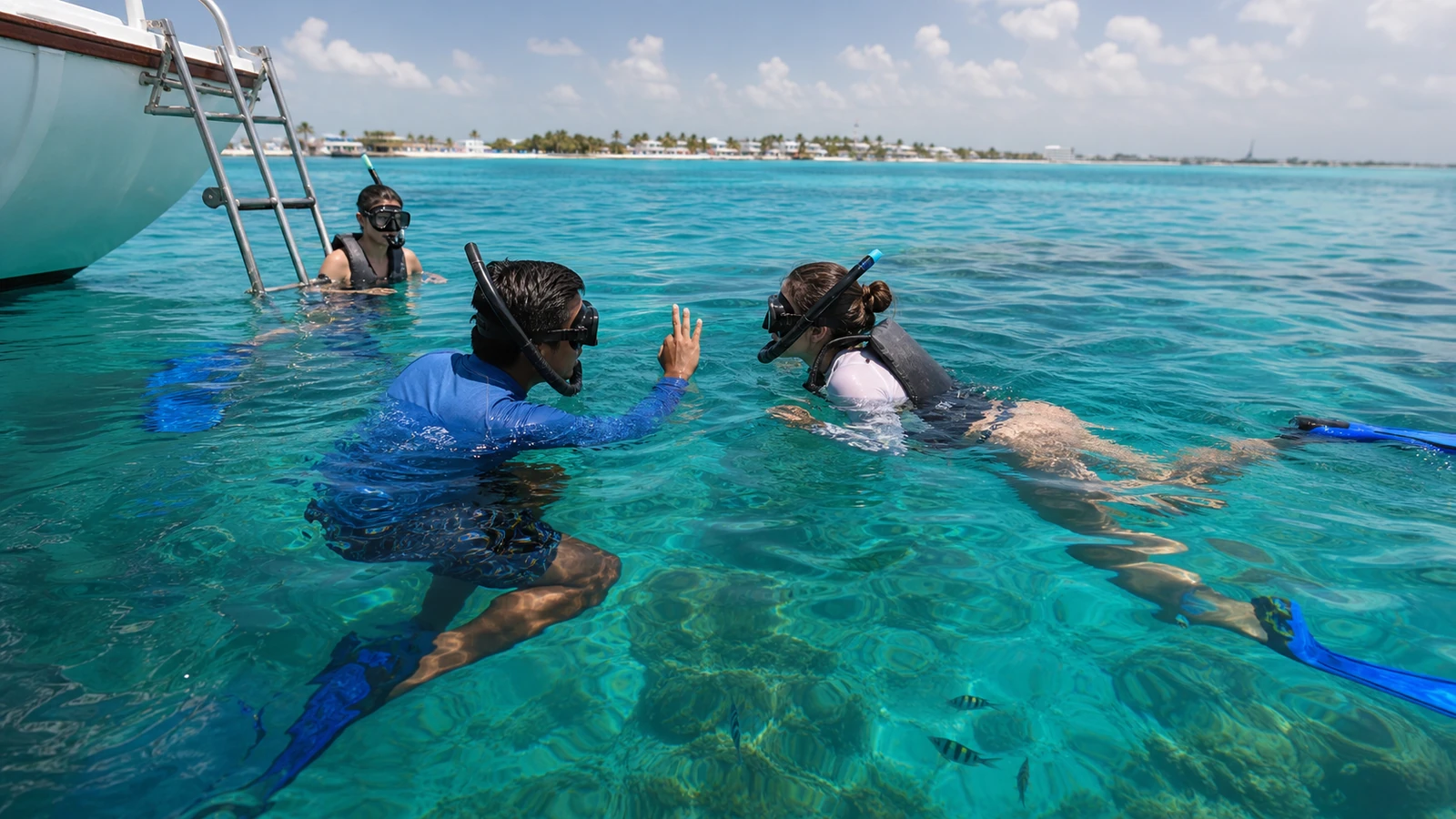
Is Isla Mujeres beginner-friendly?
Isla Mujeres can be a wonderful place for a first snorkeling experience because warm Caribbean water and bright visibility remove some of the intimidation of a dark lake or cold sea. But “beautiful” and “easy” are not synonyms. Current, wind, waves, boat traffic, depth and the style of entry can make two nearby sites feel completely different on the same day.
A beginner is someone learning a new water skill; a non-swimmer is someone who cannot independently move, float and recover in the water. Both deserve honest treatment, but they are not interchangeable. Never describe a non-swimmer as a beginner swimmer to secure a booking. Flotation adds support and a guide adds supervision, yet neither removes the need to match the person to the site.
A responsible operator asks about age, true swimming ability, medical considerations, anxiety and previous experience before selecting a plan. That conversation is not a test you need to pass. It is how the team avoids taking a guest to water that exceeds what they can safely enjoy.
What the first minute actually feels like
For many first-timers, the surprise is not what they see but how breathing feels. Your face is in the water, sound changes, the mask limits peripheral vision and every breath travels through a tube. Even in calm water, the brain may briefly interpret those unfamiliar sensations as a reason to lift the head or breathe faster.
The answer is not bravery. It is a gradual sequence: hold stable support, place only the face in the water, make one slow exhale, then allow the next breath to arrive without rushing. When the body realizes air is available, the view opens. Sand, reef and fish that were invisible from the boat suddenly occupy the entire field below you.
A patient beginning often determines the rest of the experience. Five calm minutes near support are more useful than being pulled immediately into deeper water while pretending to be comfortable.
Understand the basic equipment before entering
Mask
The mask creates the air space that lets your eyes focus underwater. Fit matters more than overtightening. Hair under the skirt, a folded edge or sunscreen on the seal can allow water inside. A small leak is manageable, but it should be corrected early before irritation becomes anxiety.
Snorkel
The snorkel lets you breathe while your face remains down. Close your lips gently around the mouthpiece and use slow, normal breaths. If water enters, raise your face, regain support and clear it according to the guide's instruction. There is no need to solve a coughing problem while remaining face-down.
Fins
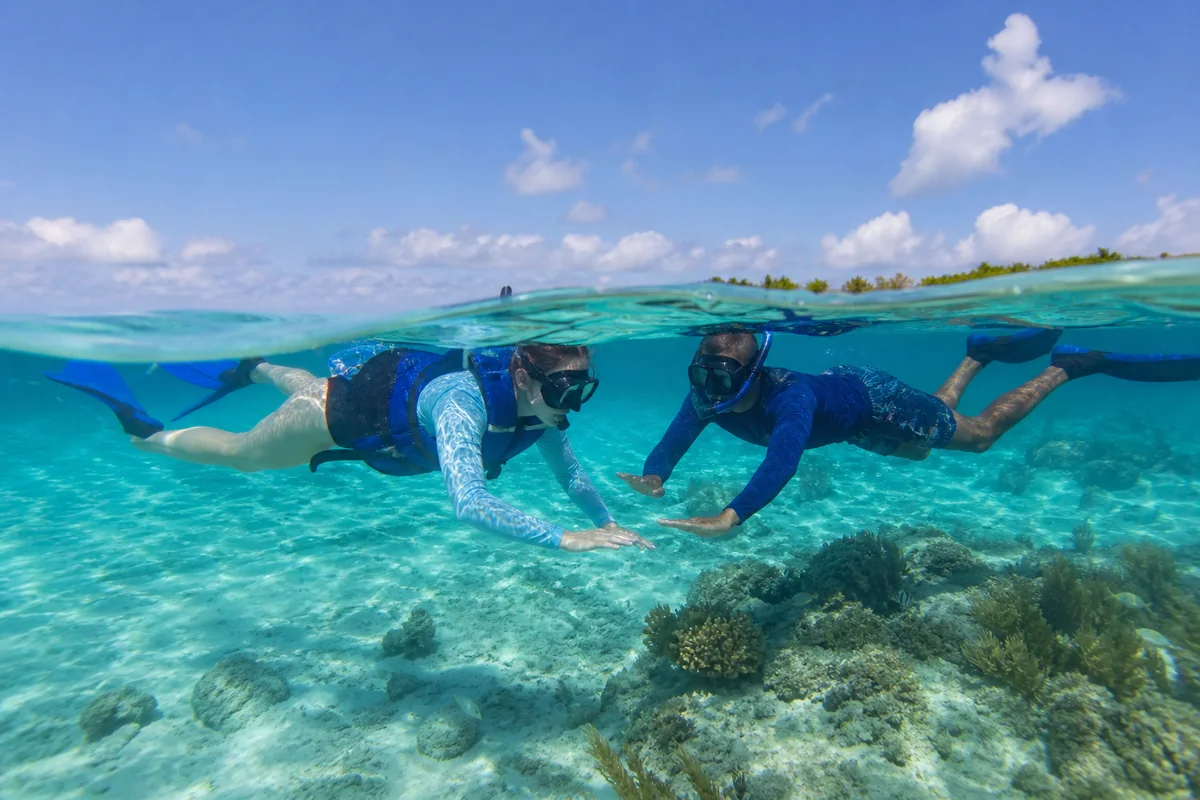
Fins turn a small leg movement into efficient travel. Kick from the hips with relaxed knees rather than bicycling. Long, frantic kicks waste energy and can strike coral or another person. Keep the fins in the water; splashing at the surface is usually a sign that body position needs adjustment.
Flotation
A vest or flotation aid reduces the work required to remain at the surface. It does not make every site appropriate and does not convert a non-swimmer into an independent swimmer. Wear what the operator requires and learn how it changes your position before moving away from support.
What to do in the first five minutes
- Listen to the site, equipment and hand-signal briefing before putting your face in the water.
- Enter only when directed and keep your hands available for the ladder, line or guide.
- Move away from the entry point so the next person has space.
- Hold support, place your face in the water and take several slow breaths.
- Let the flotation support you and find a horizontal body position.
- Make small fin movements without chasing the group.
- Stay close to the guide until breathing and vision feel ordinary.
If the mask leaks, the snorkel takes water or anxiety rises, stop. Lift your face, signal the guide and regain support. A pause made early can save the entire experience; pushing until panic develops rarely does.
Boat entry and shore entry are different experiences
A shore entry may offer a gradual transition, but walking with fins, small waves, rocks or an uneven bottom can be awkward. Put fins on where the guide directs and never stand on reef structure for balance. Remember that the exit may feel harder after swimming.
A boat entry reaches the site efficiently and may place guests directly over deeper water. Listen carefully to the entry method, keep clear of the boat and know how you will return to the ladder before jumping or stepping in. The crew may use a line or float to organize the group.
Neither format is automatically better for a beginner. The correct choice depends on conditions, access, supervision and the individual. Ask what the entry actually involves rather than relying on the word “easy.”
Recognize current, fatigue and the moment to stop
Current may be difficult to see from the surface. Clues include the boat or float pulling against a line, the bottom seeming to move beneath you or the need to kick continuously just to remain beside the guide. Never swim away from the group to test yourself.
Fatigue often appears first as shorter breathing, inefficient kicking or repeatedly lifting the head. Cold, sun, anxiety and motion sickness can add to the load. Signal before you become exhausted and accept help returning to the boat or support.
Divers Alert Network notes that snorkeling risks can include water inhalation, strong water movement, boat traffic and health events that guests may underestimate because the activity looks simple. Its snorkeling safety overview is useful reading for older travelers, people with medical conditions and anyone planning breath-hold descents. Ordinary surface snorkeling does not require hyperventilation; do not turn it into an unsupervised breath-hold contest.
Reef etiquette protects both you and the site
- Never stand on, kick, hold or collect coral.
- Do not feed, touch, chase or block marine life.
- Keep enough distance that a wave or fin kick cannot cause contact.
- Secure cameras, straps and accessories so nothing drags.
- Follow the guide's route and remain outside boat channels.
- Take every item and piece of waste back with you.
Coral is living animal habitat, not a rock platform. NOAA advises snorkelers to float above coral and keep fins, hands and equipment away. A calm, streamlined swimmer usually sees more because animals are less likely to flee. Read NOAA's responsible underwater-visitor guidance for the principle behind those rules.
What you may see—and why nobody can promise it
Depending on the selected site, season and visibility, snorkeling near Isla Mujeres may reveal reef fish, rays, turtles, coral structure, seagrass, sand channels or the underwater sculptures associated with MUSA. The guide may see an animal before you do and point without chasing it.
Wildlife is never scheduled. A responsible tour promises access to an appropriate environment and professional guidance, not a particular turtle or photograph. Conditions may also move the group from a famous site to a less familiar one that better matches the day.
If sculptures, reef depth and the difference between surface and underwater views interest you, compare snorkeling and scuba at MUSA and Manchones Reef.
Questions to ask before choosing a tour
- Is the entry from a boat or shore, and how is the exit managed?
- How much current and boat traffic are normal at the planned site?
- What flotation and in-water guide support are provided?
- Is equipment included, and can the operator address prescription-mask needs?
- How long is the actual water session rather than the total tour?
- How many guests will one guide supervise?
- What happens if conditions are unsuitable for the original site?
- What ages, health conditions or swimming limitations must be discussed in advance?
Our Isla Mujeres snorkeling service can be planned around the group's real profile. Guests deciding between remaining at the surface and learning to scuba can read the SDI certification guide or begin with a closely supervised Try Scuba experience.
Planning for children and mixed-ability families
Age alone does not determine whether a child will enjoy snorkeling. Equipment must fit, the child must follow instructions and an adult must remain attentive rather than assuming the guide becomes a private babysitter. A child who loves a swimming pool may still dislike waves, a mask or deep blue water.
Mixed groups should avoid designing the entire tour around the strongest swimmer. Tell the operator who needs the most support, who is comfortable and who may prefer to observe from the boat. A successful family outing can include different levels of participation without forcing everyone to perform the same way.
What to bring
- Swimsuit, towel and compact dry clothes.
- Sun-protective shirt or rash guard.
- Water and any personal medication.
- A secure case for prescription glasses used before and after the water.
- A small dry bag for essentials.
- Only a camera you can secure and operate without losing control.
Avoid excessive alcohol and a very heavy meal before snorkeling. If boat movement is a concern, discuss motion-sickness prevention with a qualified medical professional before the trip and follow the directions early enough for it to work.
Frequently asked questions
Can I snorkel if I cannot swim?
Disclose this before booking. Flotation is support, not a replacement for swimming ability; suitability depends on the site, conditions and direct operator assessment.
What if I swallow water?
Raise your face, breathe normally, signal the guide and regain support before continuing. Do not keep the mouthpiece in place while coughing.
Can children snorkel?
Age alone does not decide suitability. Comfort, swimming ability, equipment fit, conditions and close adult supervision all matter.
Do I need to dive below the surface?
No. Most snorkeling happens at the surface. Breath-hold descents add different risks and should never be attempted through hyperventilation or without appropriate supervision.
Will I definitely see turtles or rays?
No. Wildlife changes naturally. Choose a tour for the environment and guidance, then treat each sighting as an unplanned privilege.
First-time friendly planning
Tell Us About Your Group
Share ages, swimming ability and previous snorkeling experience so we can discuss an appropriate plan.
Message Adventure ToursView snorkelingContinue learning
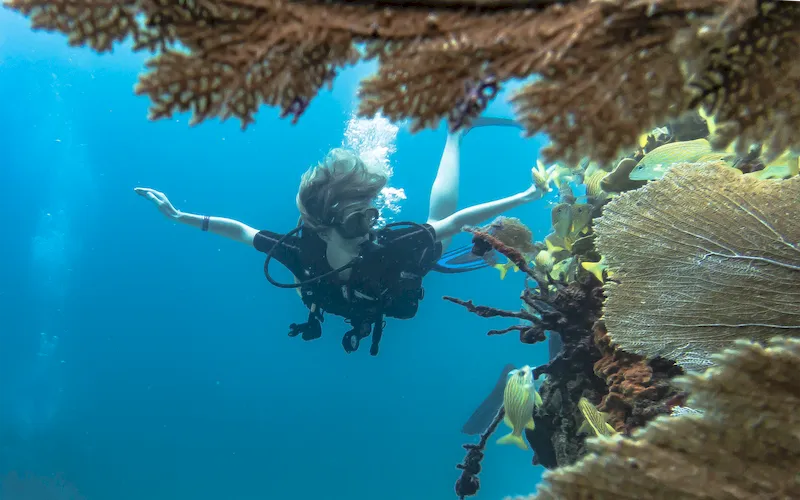
Snorkeling vs Scuba at MUSA
Compare the surface view with the deeper, trained scuba experience at MUSA and Manchones.
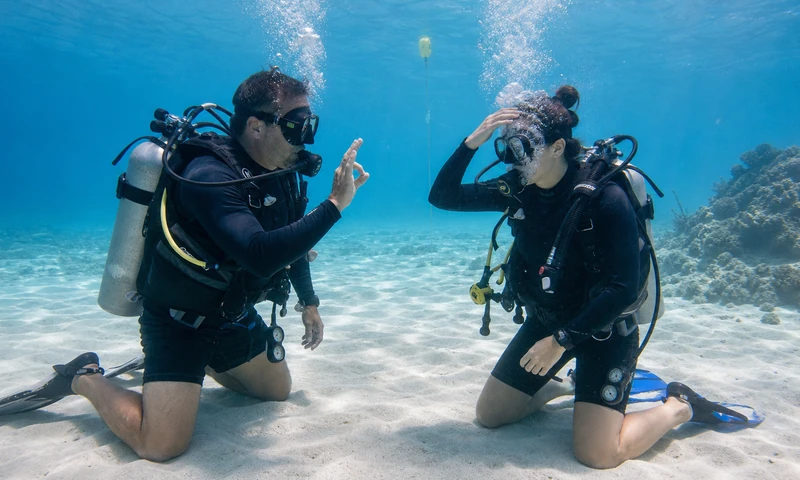
SDI Certification in Isla Mujeres
Follow the complete path from surface comfort to trained, certified open-water diving.
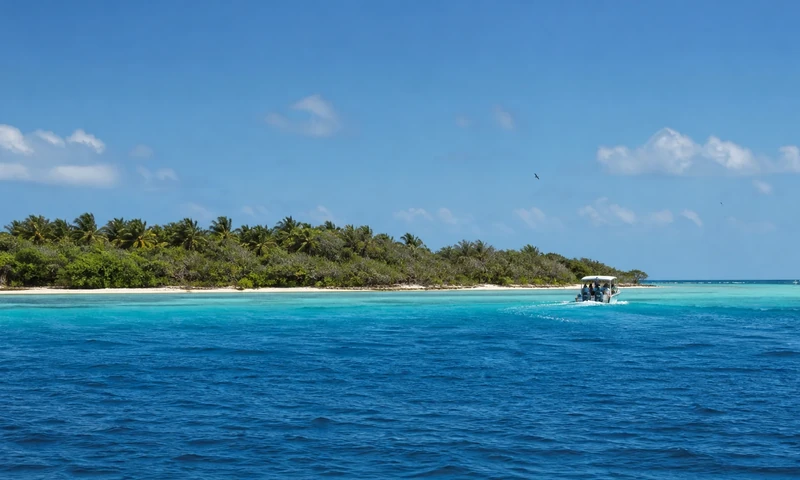
Isla Contoy from Isla Mujeres
Prepare for a protected-island day where snorkeling connects the reef to a national bird sanctuary.