Diving & Snorkeling · Learn to Dive
SDI Certification Isla Mujeres: How Open Water Training Works
Certification is a learning process: knowledge first, controlled practice next and supervised open-water application after that.
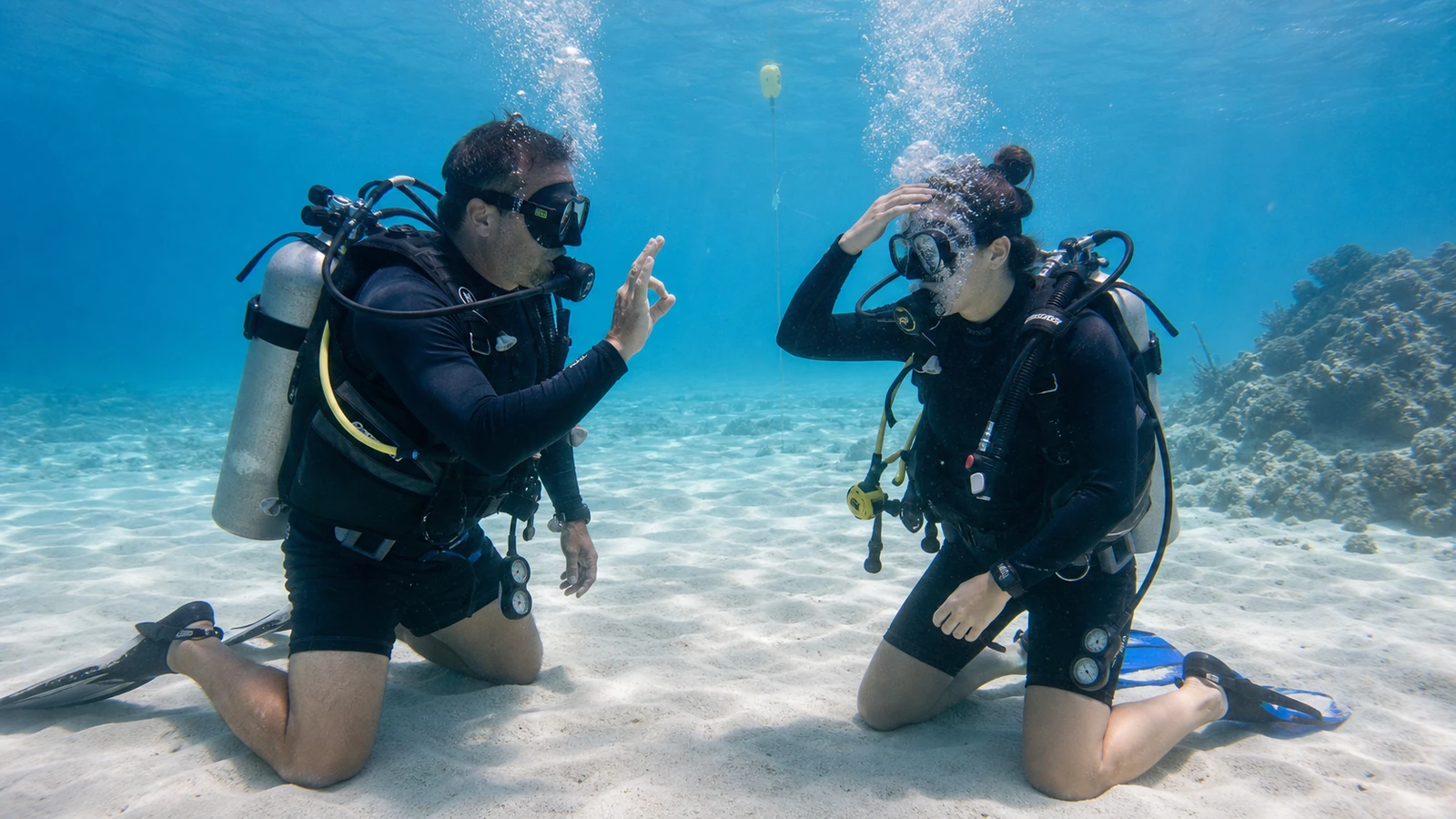
What an Open Water certification really means
An entry-level scuba certification records that a student completed required academic learning, practiced essential water skills and demonstrated them in open water under an instructor's supervision. It opens the door to recreational diving, equipment rental and continued education around the world—but it is the beginning of experience, not proof that every ocean site is now appropriate.
A newly certified diver should choose conditions similar to training, dive with a qualified buddy, remain within personal and certification limits and continue building skill gradually. Deep water, strong current, wreck penetration, caves, decompression procedures and other demanding environments require experience and, in many cases, additional training.
The most valuable result is not the plastic or digital card. It is the ability to assemble and check equipment, communicate, control depth, respond to manageable problems and make conservative decisions without needing the instructor to perform every step.
Why learn in Isla Mujeres?
Warm Caribbean water allows students to focus on breathing, buoyancy and communication without the same thermal load as cold-water training. Nearby shallow reefs provide a living classroom: sand makes position visible, reef structure rewards control and marine life gives every skill a reason beyond passing an evaluation.
Isla Mujeres is not a swimming pool disguised as the ocean. Wind, waves, current, visibility, boat entries and changing surface conditions remain real. That is an advantage when instruction is paced correctly because students learn that diving is not a sequence of isolated tricks; it is the practice of using those skills while reading an actual environment.
The instructor may change a training site or rearrange the schedule without lowering the standard. Selecting conditions that support learning is part of professional instruction, not an attempt to avoid the sea.
The three connected stages of SDI training
1. eLearning and knowledge development
SDI allows students to study the academic material online at their own pace. The course introduces equipment, pressure, breathing gases, buoyancy, dive planning, the aquatic environment, problem prevention and safe procedures. Complete it early enough to think about the material and bring questions to the instructor; clicking through the final section on the morning of training wastes the flexibility eLearning provides.
2. Confined-water skill development
In a pool or pool-like controlled setting, the instructor introduces equipment assembly, pre-dive checks, breathing, mask clearing, regulator recovery, buoyancy, entries, exits, communication, air sharing and controlled ascent procedures. “Confined” describes the learning environment, not a shortcut. Skills are repeated until the student can perform them with control rather than merely endure them once.
3. Open-water training dives
Current SDI standards list four required open-water training dives for Open Water Scuba Diver. Students transfer the academic material and controlled-water practice into real dives while the instructor evaluates safety, comfort, judgment and consistent performance.
SDI explains this same progression on its official eLearning overview, and its current course standards matrix lists four required dives and a minimum age of 10.
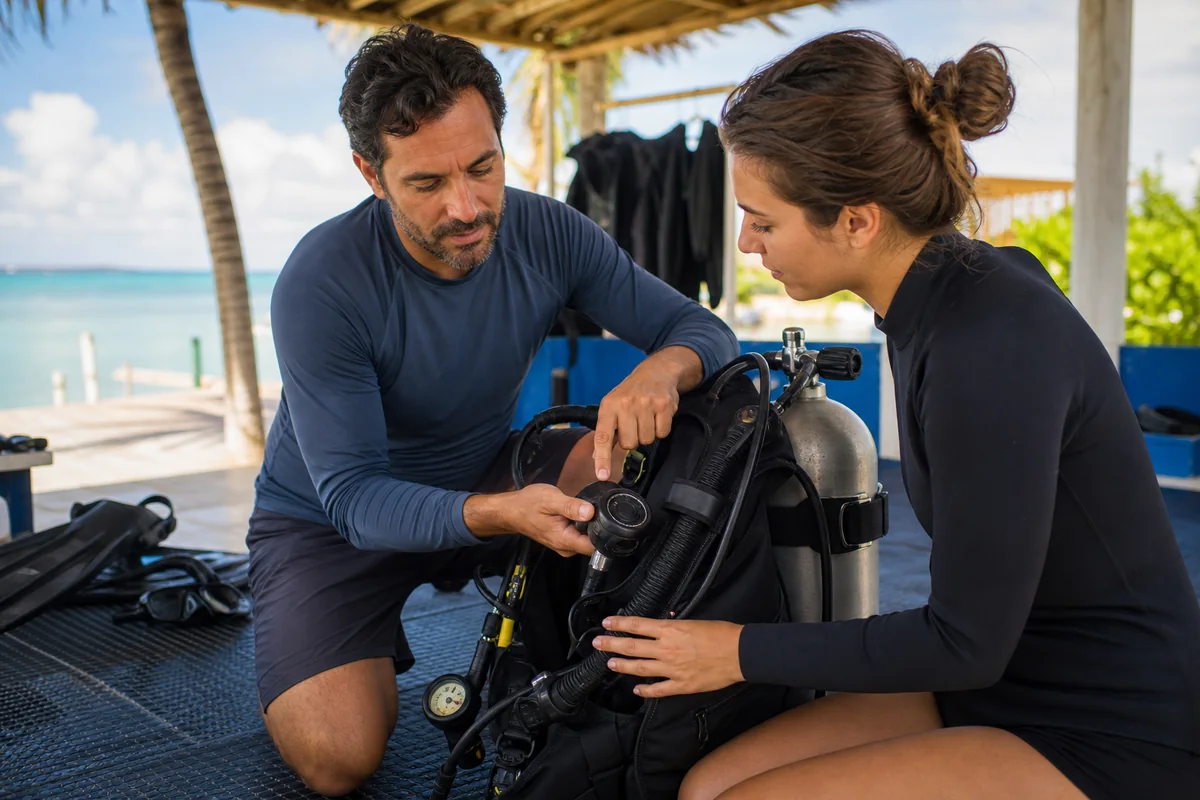
The skills are connected, not a collection of tests
Mask clearing, regulator recovery and air sharing attract attention because they look dramatic, but the quieter skills hold the course together. A diver must breathe continuously, equalize early, monitor depth and gas, remain aware of the buddy and control position without damaging the bottom.
Buoyancy develops over time. Students learn how breathing, weights, exposure protection and the buoyancy compensator interact, then practice using small adjustments instead of large movements. Good trim and careful finning make every other task easier because the diver is no longer fighting to remain in place.
Emergency skills are rehearsed so a manageable problem does not become panic. The purpose is not to frighten the student or demonstrate the instructor's superiority. It is to create a calm sequence the diver can recognize and execute when the unexpected interrupts an otherwise normal dive.
What you learn about the equipment
- Cylinder and regulator: provide and control the breathing gas; students learn assembly, valve checks and pressure monitoring.
- Buoyancy compensator: supports the diver at the surface and permits controlled buoyancy adjustment underwater.
- Weights: help offset natural and equipment buoyancy but must be fitted conservatively and released when required.
- Mask, snorkel and fins: support vision, surface breathing and efficient movement.
- Exposure protection: helps manage temperature and minor contact while reinforcing that divers still avoid the reef and bottom.
- Dive computer and instruments: track depth, time and profile; they support planning but never replace judgment.
Equipment may look complicated because several simple systems are connected. Assembly practice turns that bundle into a logical route: gas begins at the cylinder, moves through the regulator, and is monitored through instruments while buoyancy and weights control position.
How long does certification take?
There is no honest universal answer measured only in vacation days. Academic completion, class size, swimming comfort, skill repetition, weather, site access and boat operations all affect the schedule. A prepared student may progress smoothly; another may need more time with mask skills or buoyancy before moving on.
Certification depends on performance, not attendance. Paying for a course and appearing on each scheduled day does not require the instructor to certify a student who cannot yet meet the standard safely. Extra practice is not failure; it is the mechanism that keeps the card meaningful.
Build margin around the course. Do not place the final required dives immediately before a flight, and tell the dive center your full arrival and departure schedule before confirming dates. Post-dive flying guidance depends on the exposure and current recommendations, so follow the instructor's direction rather than inventing the shortest possible interval.
Prerequisites, swimming and medical information
Current SDI standards list no previous certification for Open Water and a minimum age of 10, with divers ages 10 through 14 following junior certification conditions. Age is only one factor. Maturity, comprehension, water comfort and the instructor's assessment determine whether training is appropriate for a particular young student.
Students must demonstrate adequate swimming and in-water comfort. This does not require competitive technique, but scuba equipment cannot replace the basic ability to move, float and remain composed in water.
Required medical screening must be answered honestly. A “yes” response may require evaluation and written clearance from a qualified physician before in-water participation. Concealing a condition does not accelerate the course; it can create risk, interrupt training offshore and remove the instructor's ability to plan responsibly.
What a training day feels like
A course day includes more than time underwater. Equipment preparation, briefings, transport, entries, surface intervals, debriefings, cleaning and logbook work surround each dive. The instructor may ask the student to explain a plan or repeat a check rather than simply perform it for them.
At first, every action demands attention. The student thinks about the mask, breathing, hands, fins and depth separately. With practice, those tasks begin to merge into awareness of the reef and buddy. That transition—from managing equipment to actually diving—is one of the most satisfying parts of the course.
Learning in a beautiful place should add motivation without distracting from the standard. Marine life is not a reason to abandon spacing or depth; it is the reason those skills matter.
What to do after certification
Plan the first dives in familiar, moderate conditions and tell the guide you are newly certified. Keep the skills current, log experience accurately and ask for a refresher after a long period without diving. A new card should make you more honest about limits, not less.
Use our Isla Mujeres dive-sites guide to understand why shallow Manchones routes, current-driven reefs, wrecks and offshore objectives require different preparation. Begin where training and conditions align, then allow experience and additional education to expand the range.
Questions to ask before booking
- Which SDI course and certification level is included?
- Is eLearning included, and when should it be completed?
- How and where are confined-water skills scheduled?
- How many open-water dives are planned and over how many operating days?
- What equipment, boat fees, learning materials and certification processing are included?
- What happens if a student needs extra practice?
- How do weather cancellations affect the training plan?
- What medical form, identification and swimming demonstration are required?
- How much time is required between the final dive and the student's flight?
Review our SDI certification options in Isla Mujeres and contact the team before building a short hotel stay or nonrefundable travel schedule around the course.
Not ready for certification?
A Try Scuba experience introduces breathing underwater and closely supervised basic skills without presenting itself as a full certification course. It can help a hesitant traveler discover whether the sensation feels exciting, manageable or simply not right yet.
Try Scuba does not replace Open Water training and does not grant the same qualification. If you already know you want to dive beyond one closely supervised experience, the complete course creates a stronger foundation. If uncertainty is the main obstacle, the introductory path can answer a question that no article can answer for your body.
Frequently asked questions
How many open-water dives are required?
Current SDI standards list four open-water training dives for the entry-level Open Water Scuba Diver course.
Can I finish all theory before arriving?
SDI eLearning supports self-paced academic study before the in-water work. The instructor still verifies understanding, connects theory to local diving and answers questions.
Will I definitely be certified on the final scheduled day?
No responsible instructor guarantees certification based only on attendance. Required knowledge and skills must be completed successfully and safely.
Do I need to be an excellent swimmer?
You do not need competitive technique, but you must demonstrate adequate swimming skills and in-water comfort. Discuss concerns before booking.
Can a 10-year-old earn the same certification as an adult?
SDI permits training from age 10, but divers ages 10 through 14 follow junior certification restrictions and require appropriate supervision.
Learn to dive
Plan Your SDI Training
Send your dates, age, swimming comfort, medical considerations and flight schedule so the team can discuss a realistic course plan.
Message Adventure ToursView certificationsContinue learning
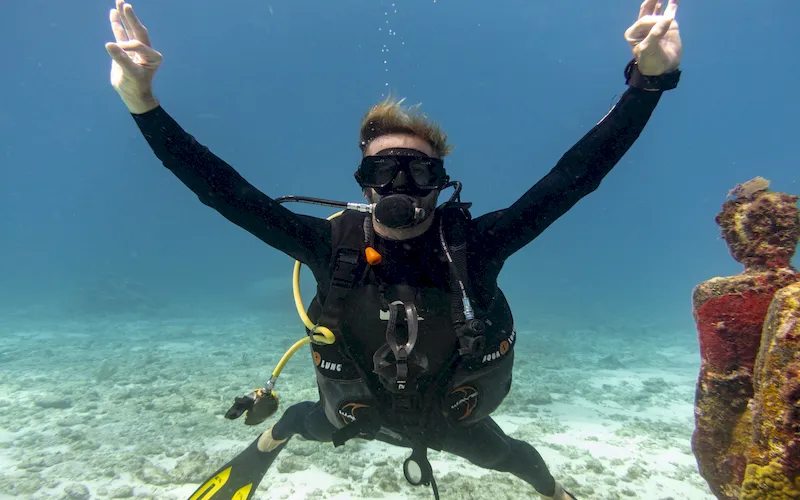
First-Time Scuba Diving
See how breathing, skills and a closely supervised reef experience feel before choosing a full course.

Isla Mujeres Dive Sites
Understand where new divers build experience and why advanced sites require more preparation.
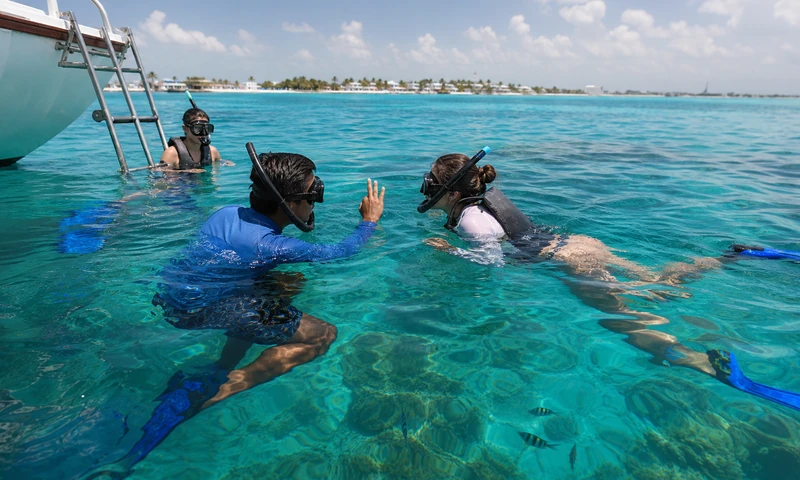
Snorkeling for Beginners
Build calm surface breathing and water comfort before deciding whether scuba is your next step.